Stefano Figalo Photography
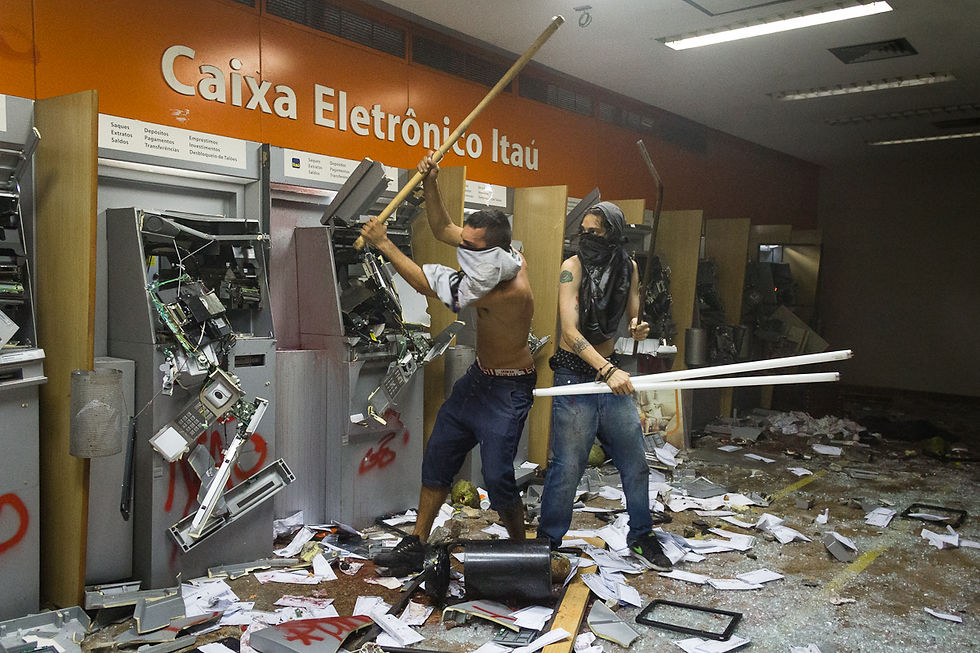
Social media has played an important role in the organization of public outcries and in keeping protesters in touch with one another. In Brazil protest organized by social networks (known as the V for Vinegar Movement, Salad Revolt, Vinegar Revolt and Brazilian Spring ) are public demonstrations in several Brazilian cities, initiated mainly by the Movimento Passe Livre ( Free Fare Movement ), a local entity that advocates for free public transportation. The demonstrations were initially organized to protest increases in bus, train, and metro ticket prices in some Brazilian cities, but came to include other subjects such as corruption, bad social services, mainly health and education as well as police brutality used against some demonstrators.
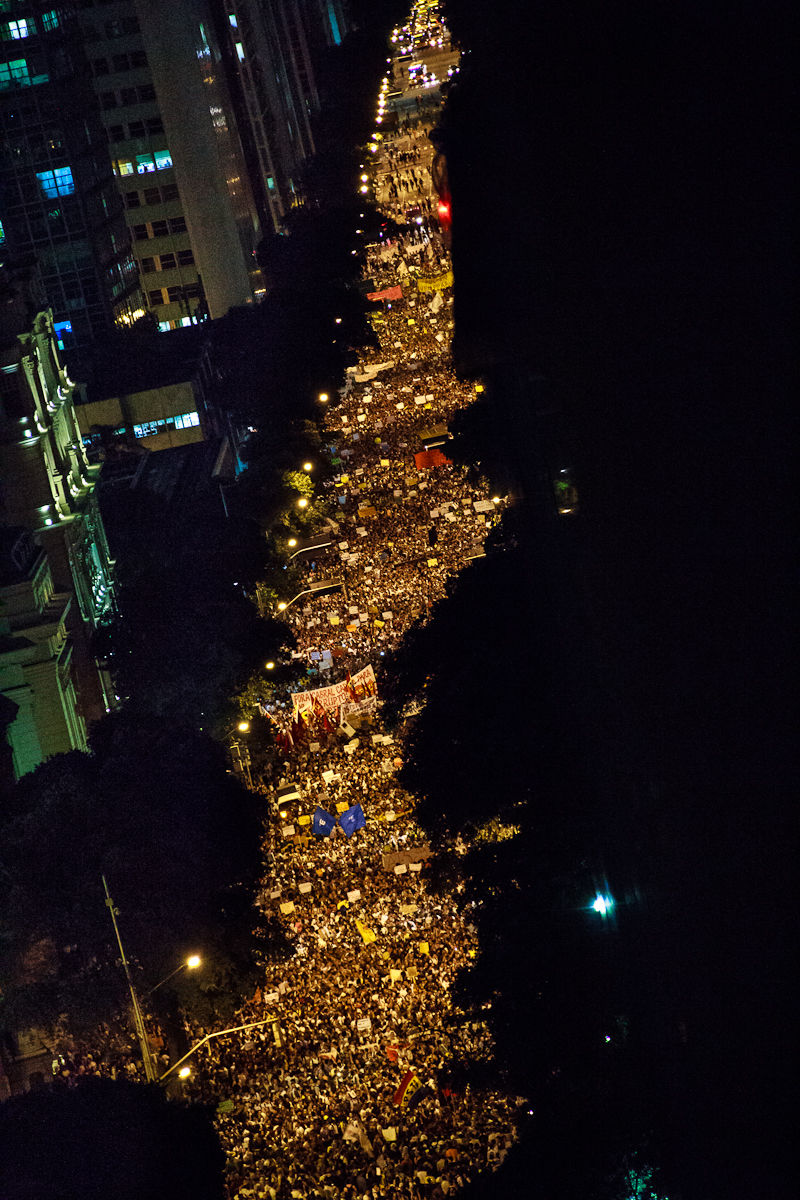
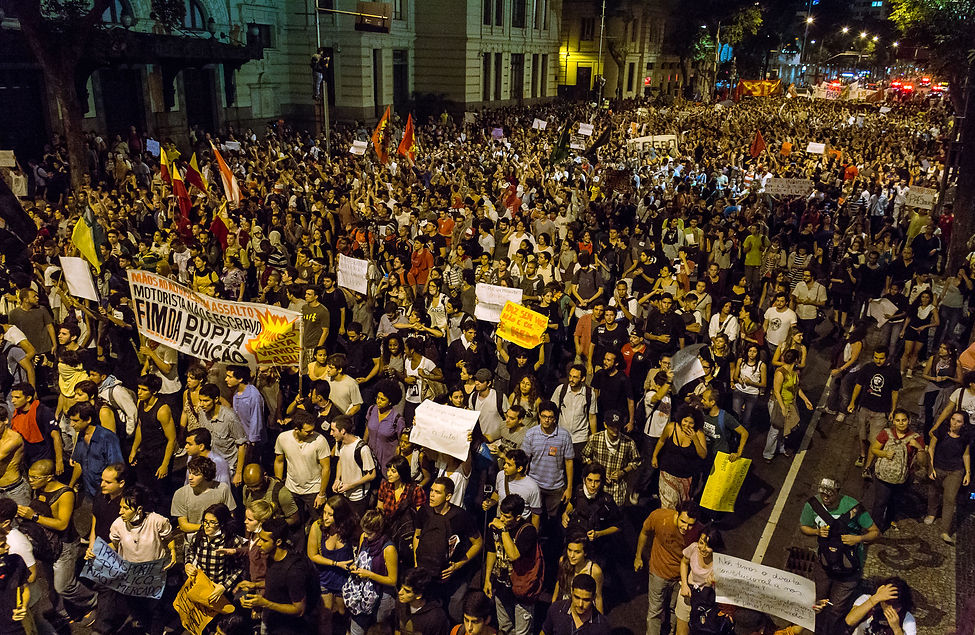
The protest gathered more than 1 million people. © Stefano Figalo/ SFP
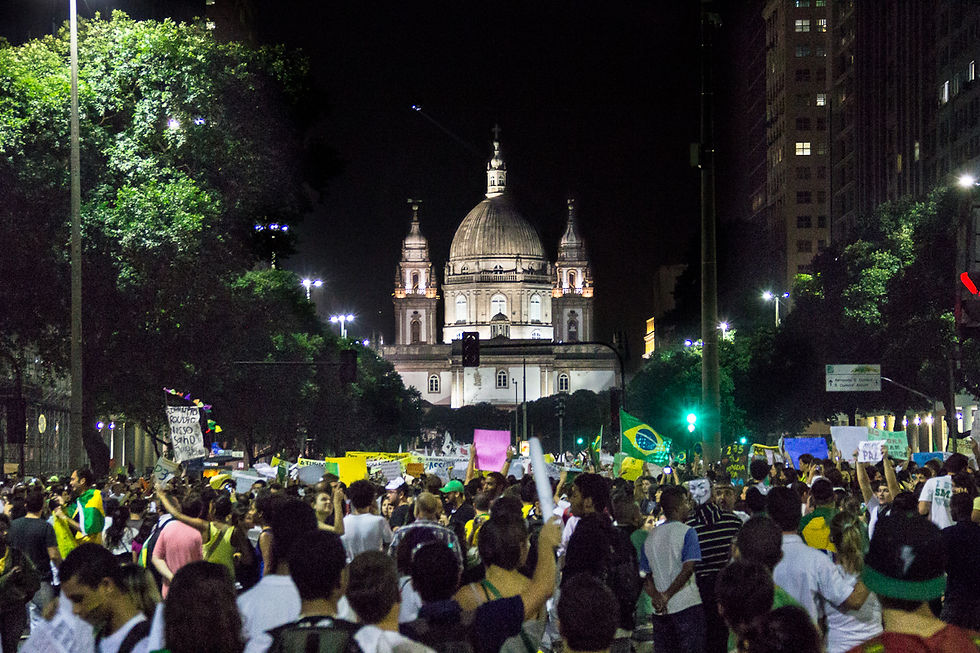


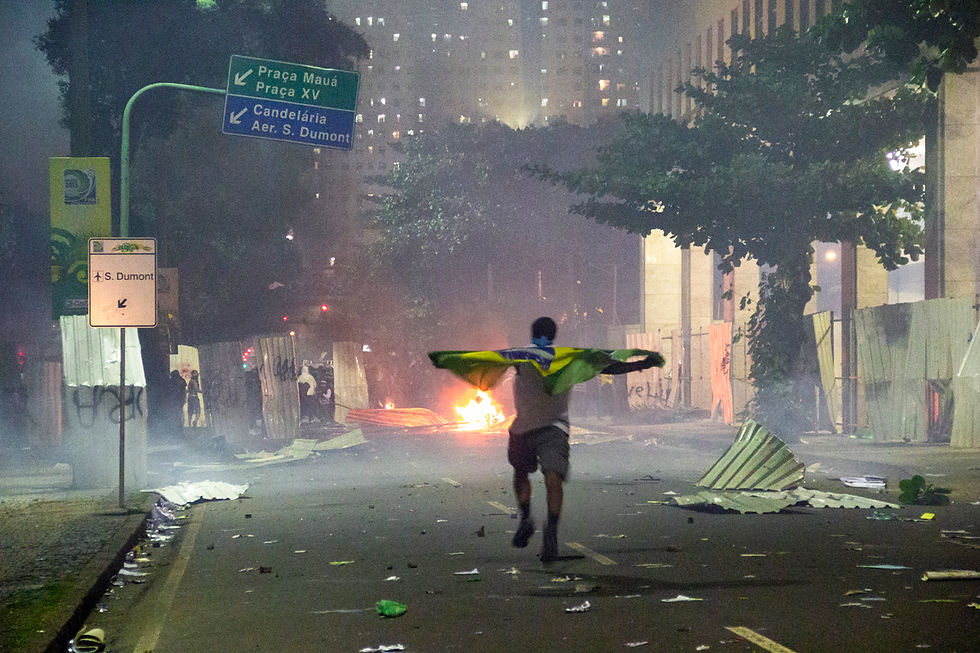
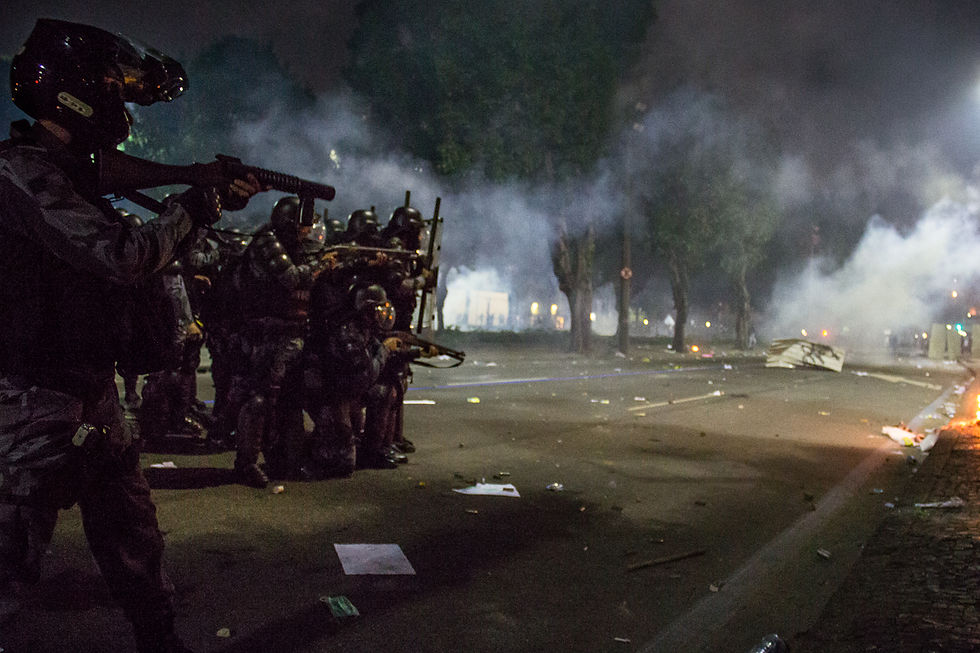


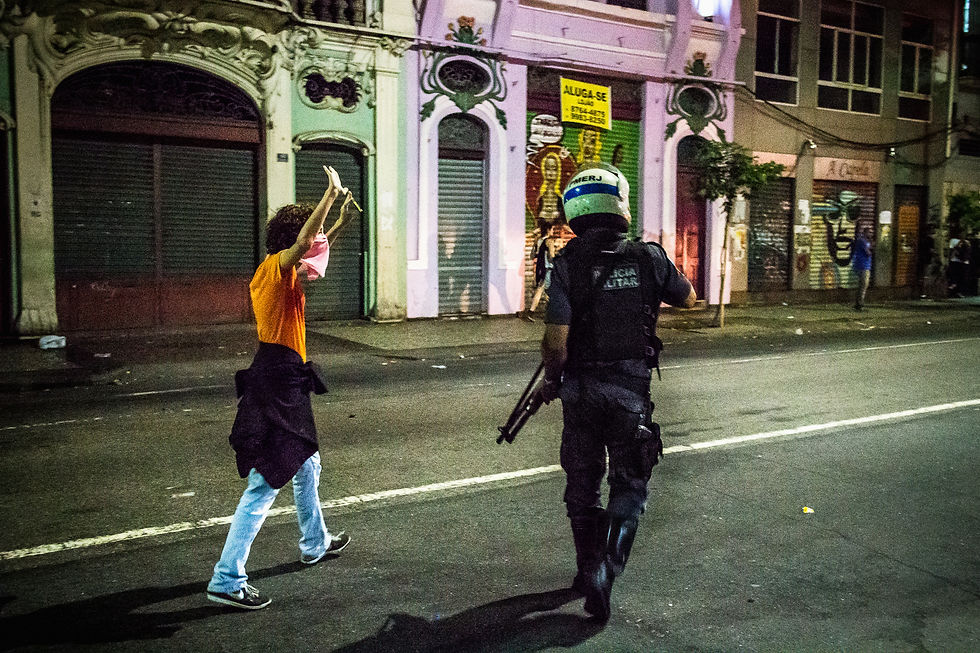


20 Jun 2013 – 6th Protest in Rio • 1 million people








Protest that took 500,000 people to the streets secured the repeal of the increase in bus fares in Rio de Janeiro
17 Jun 2013 – 5rd Protest in Rio • 500 000 people

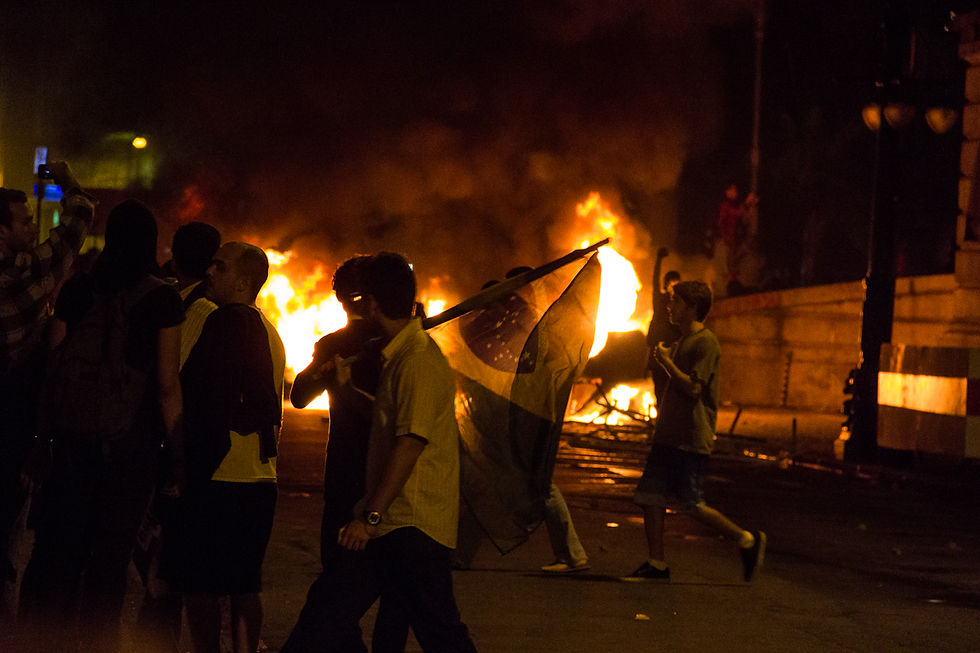
Protest against increase in bus fare took over 300 000 people to Avenida Rio Branco, Rio de Janeiro. The protest ended in conflict with the police in the city's main avenue (Presidente Vargas)

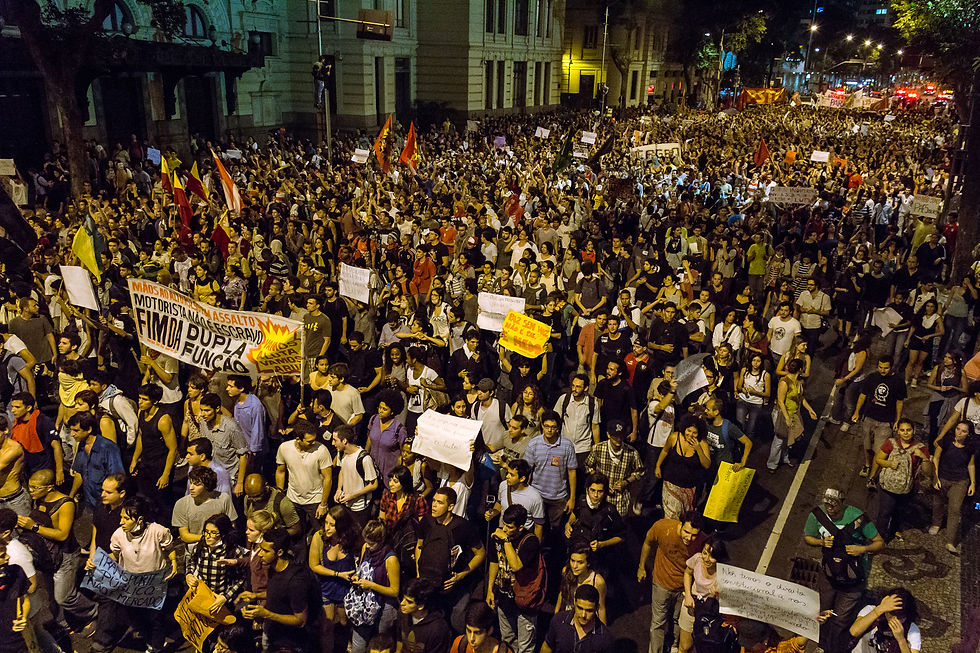
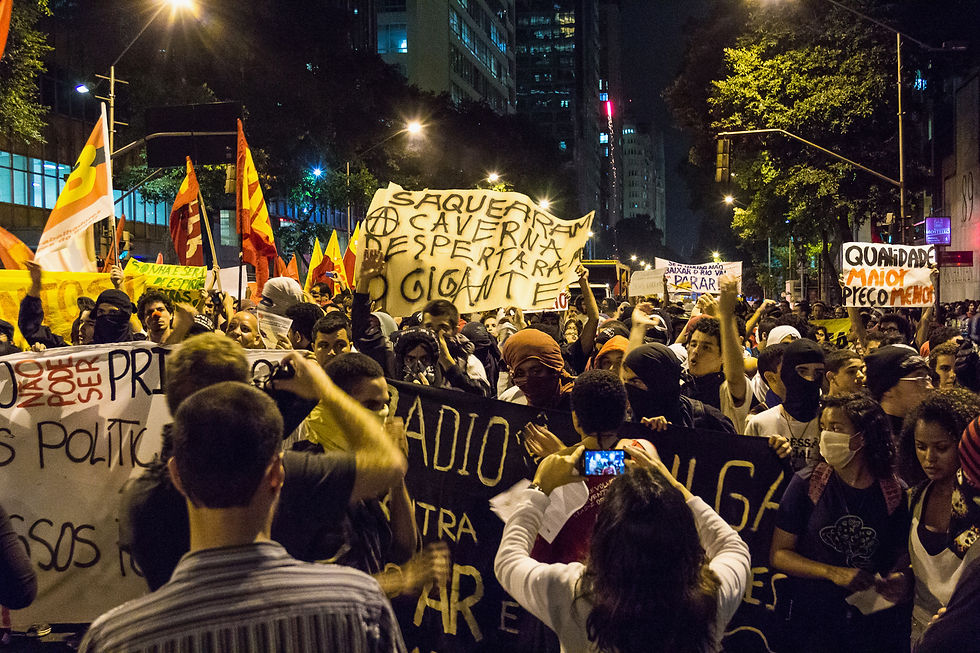
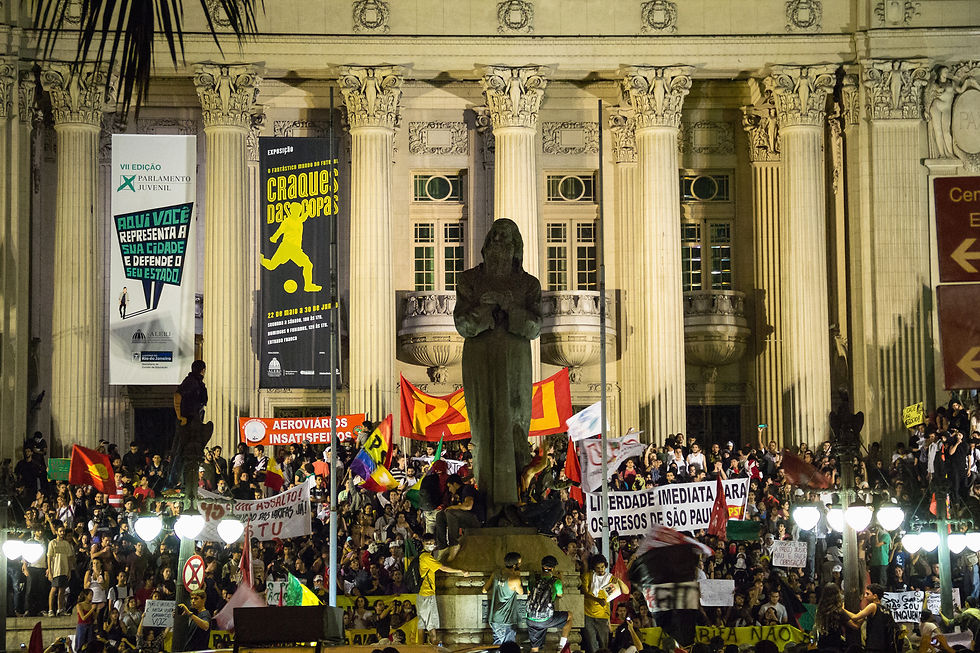


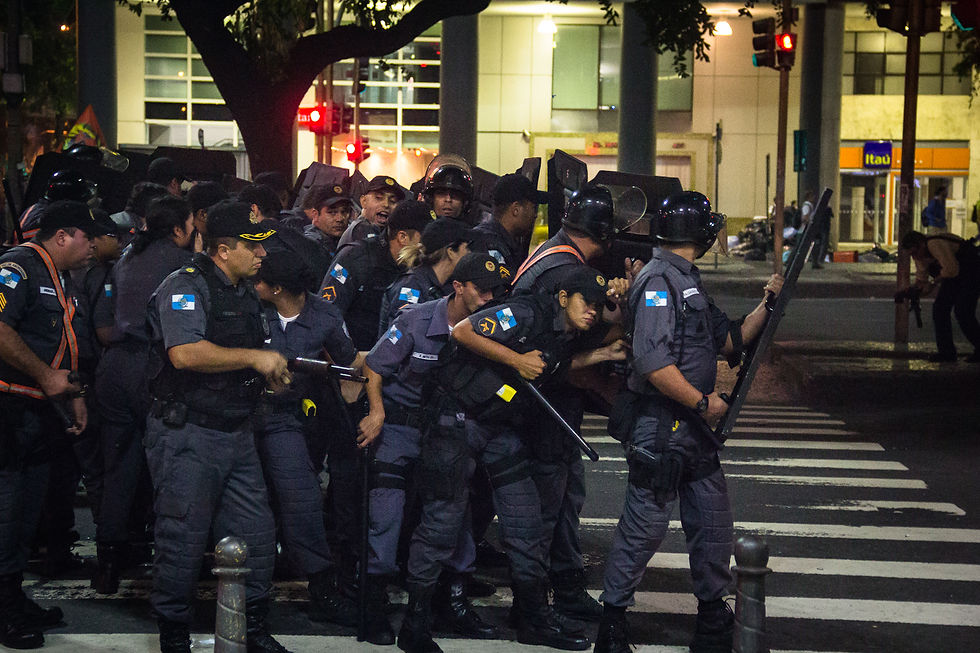


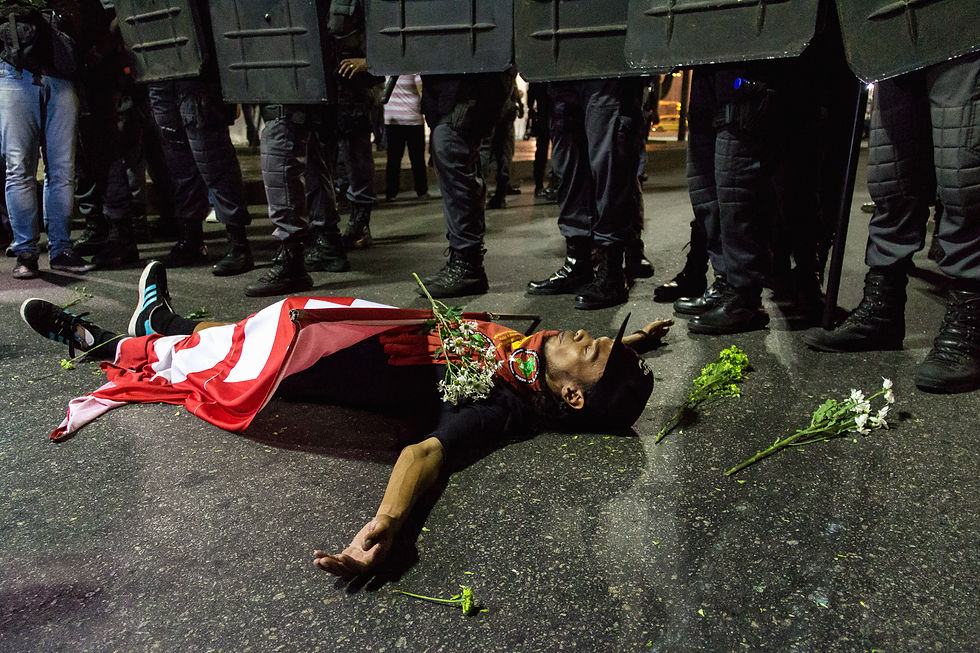


13 Jun 2013 - 4th Protest in Rio • 300 000 people


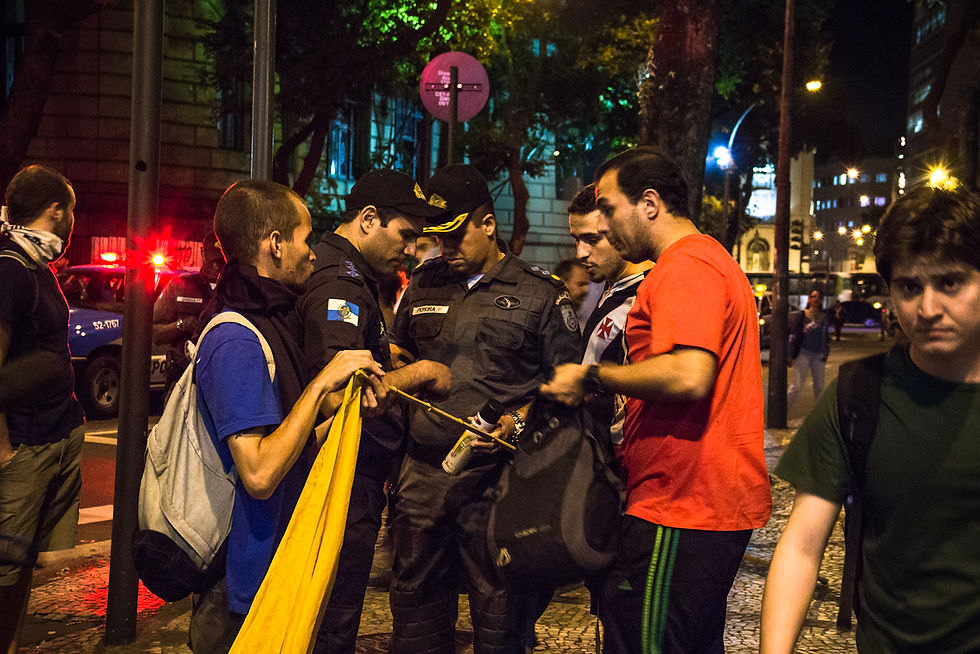


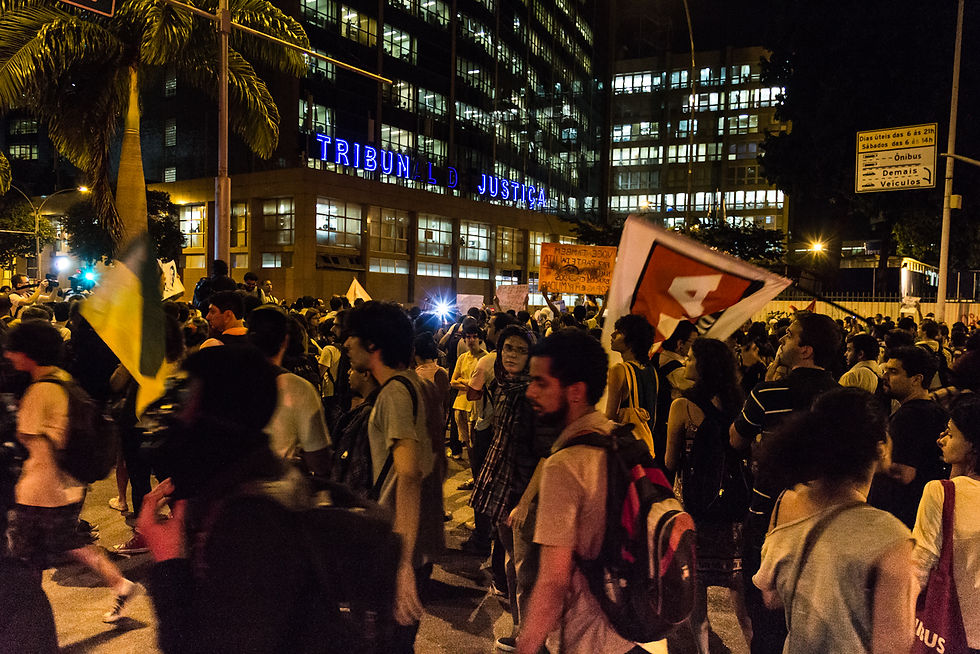


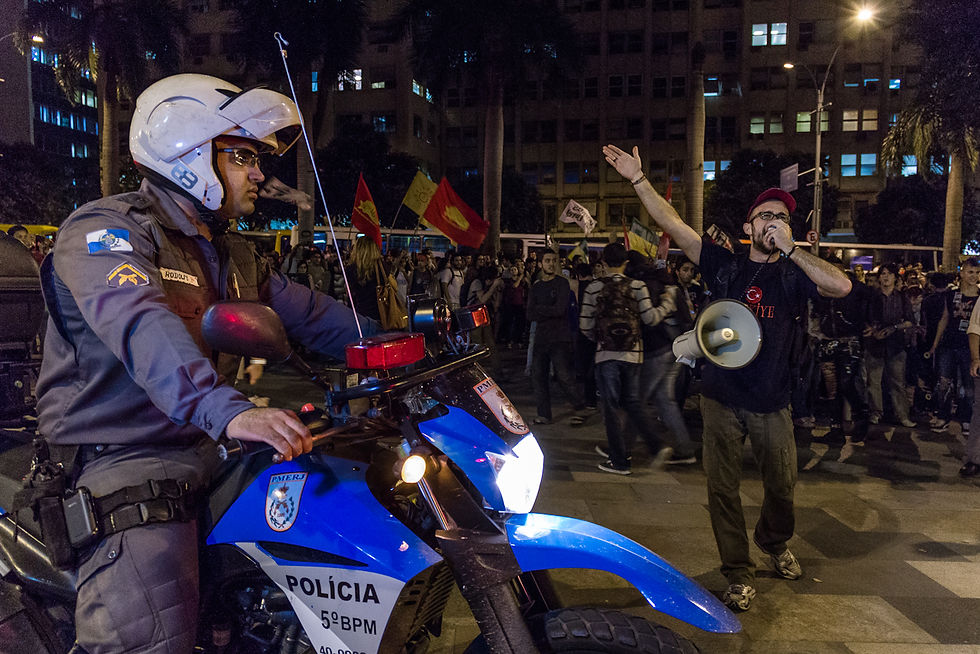

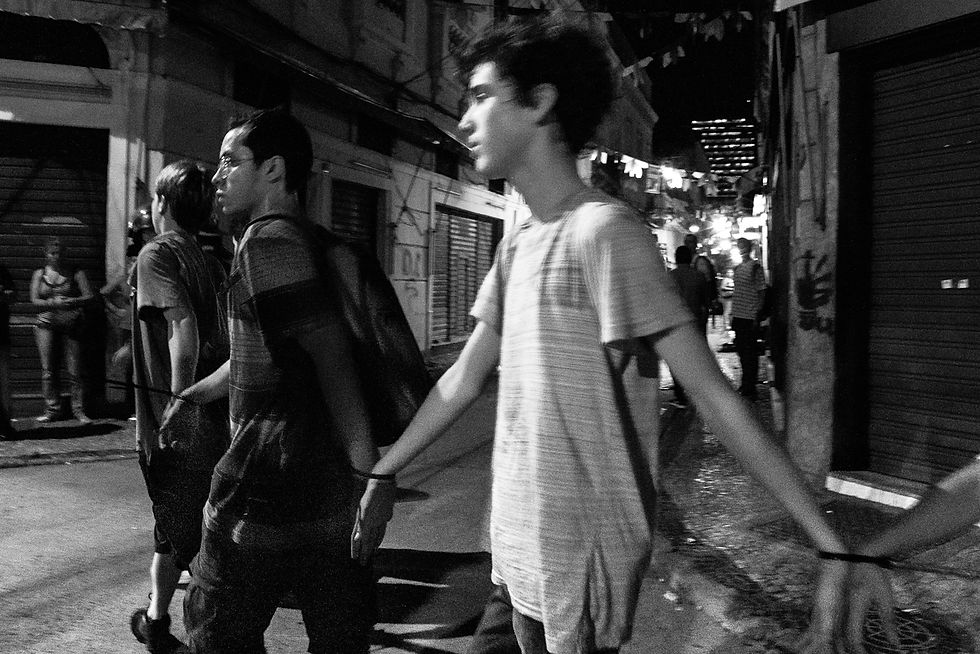


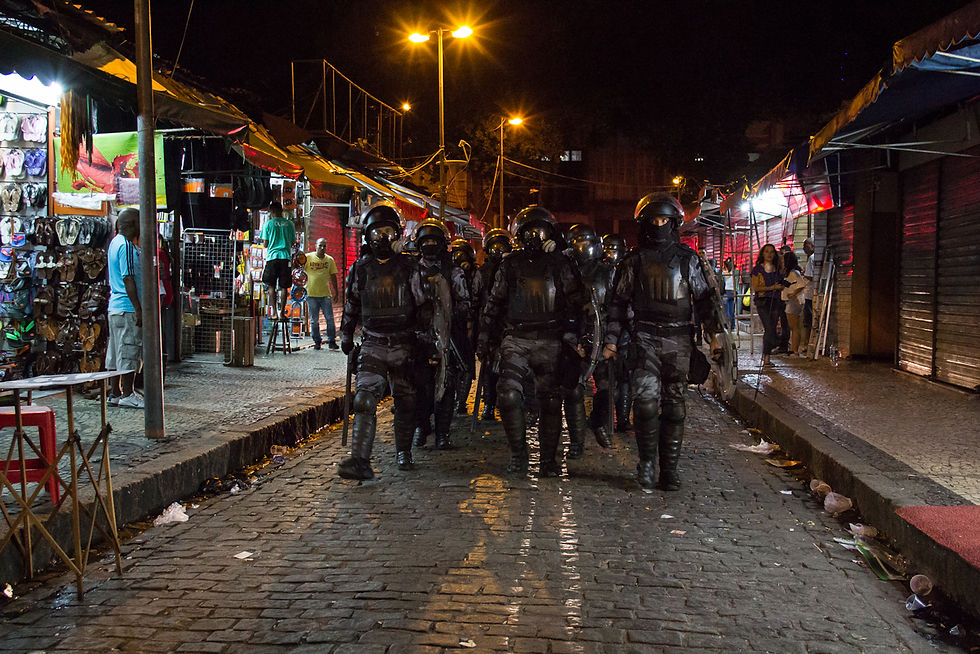


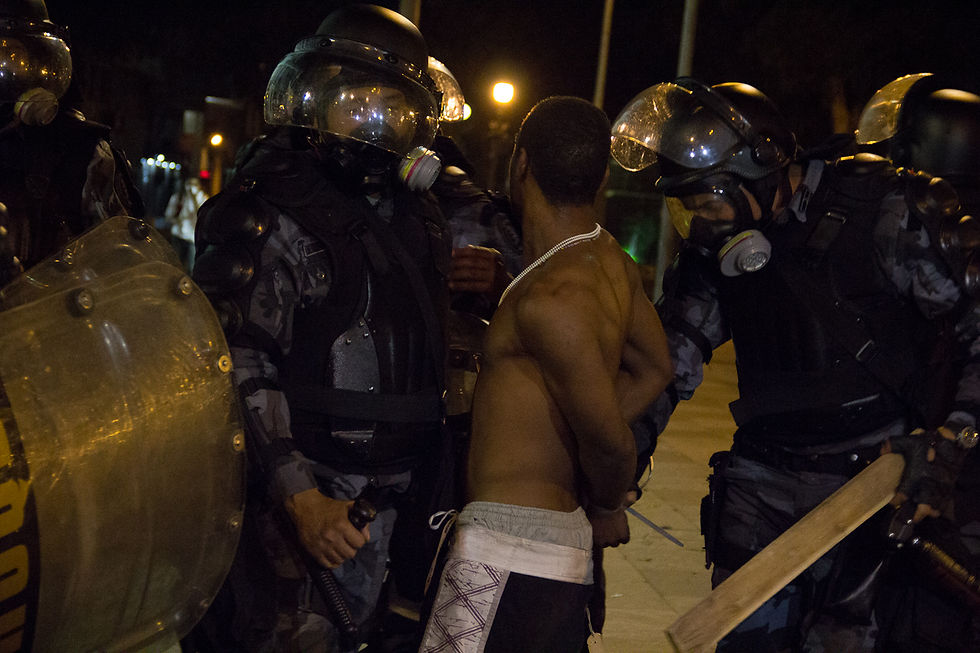
3rd protest against the increase in bus fare in Rio de Janeiro, gathered 300 manifestates in Cinelandia Square. The Act ended in front of the Legislative Assembly of the State of Rio de Janeiro (Alerj) with conflict between police and protesters. Youths were arrested
10 Jun 2013 – 3rd Protest in Rio • 300 people
